
-
CONSERVATION
Game Management
GAME MANAGEMENT
At Highlands Wilderness, the key activities of game management include the monitoring of wildlife populations and implementing population controls like the sale of game or, in dire circumstances, culling to ensure ecological balance. Our game numbers have grown substantially over the past few years, and the Trustees are working around the clock to ensure proper management of our most vital resource... animals.
Ecological carrying capacity represents the maximum number of animals an area can sustain and is determined by habitat characteristics and social pressures. Species-specific carrying capacity reflects densities found in large natural systems. Population growth rates are critical for setting harvesting quotas and vary across population growth phases, with faster growth occurring during the exponential phase.
Regular population monitoring is essential to evaluate management effectiveness and to refine strategies. Birth rates, mortality rates, sex ratios, and age structures should be assessed to ensure optimal reproduction and productivity. Unbalanced sex ratios can reduce mating success and overall population performance. Game counts form the foundation of effective veld management. In highland areas, known or individual counts are appropriate, with population estimates derived from repeated observations of herd size and composition.
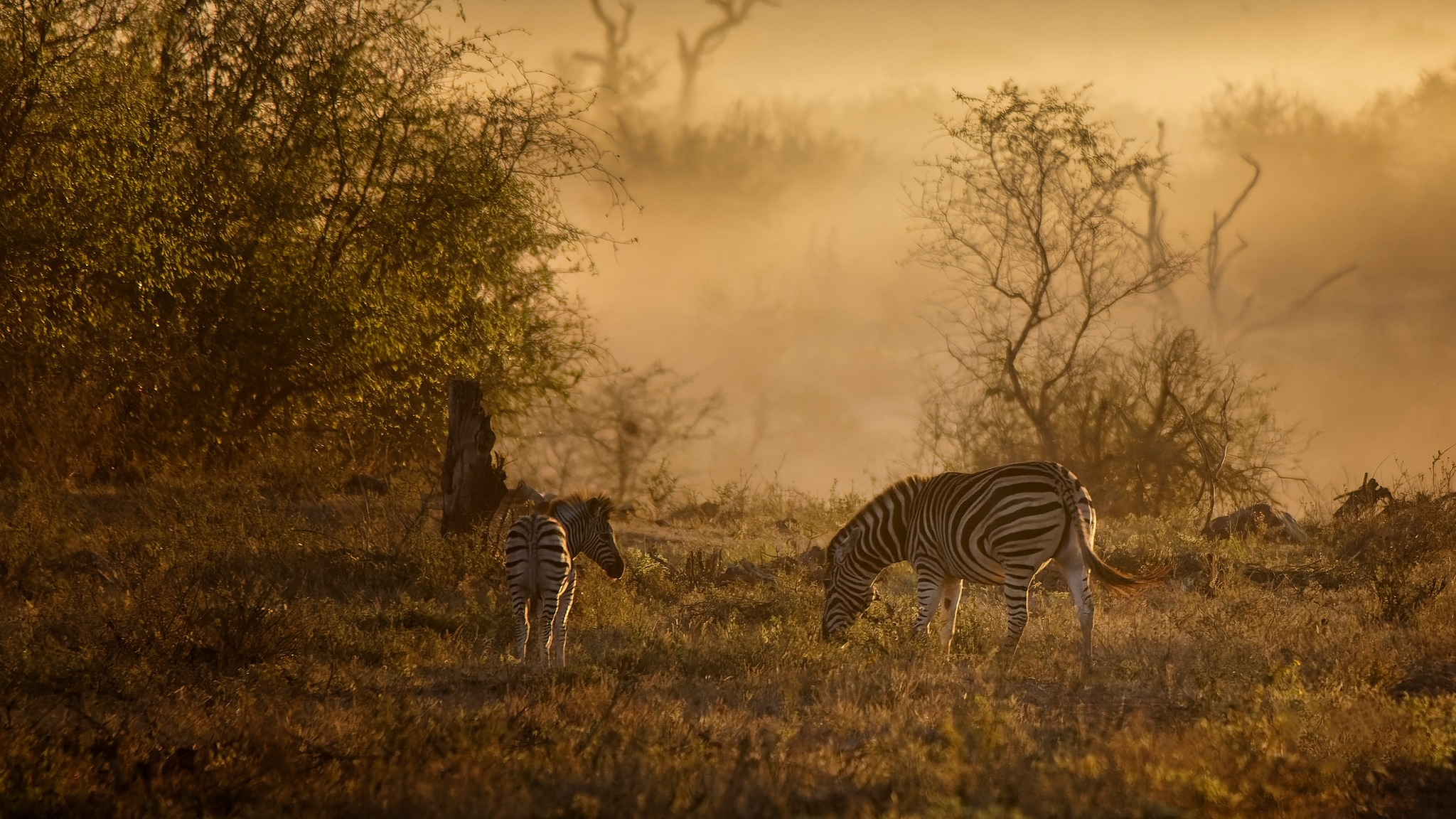
OUR GAME IN NUMBERS
An initial extensive game management plan was compiled in 2006 by the Centre of Wildlife Management, Department of Animal and Wildlife Sciences at the University of Pretoria. A follow-up assessment was done on the 11th and 12th July 2020.
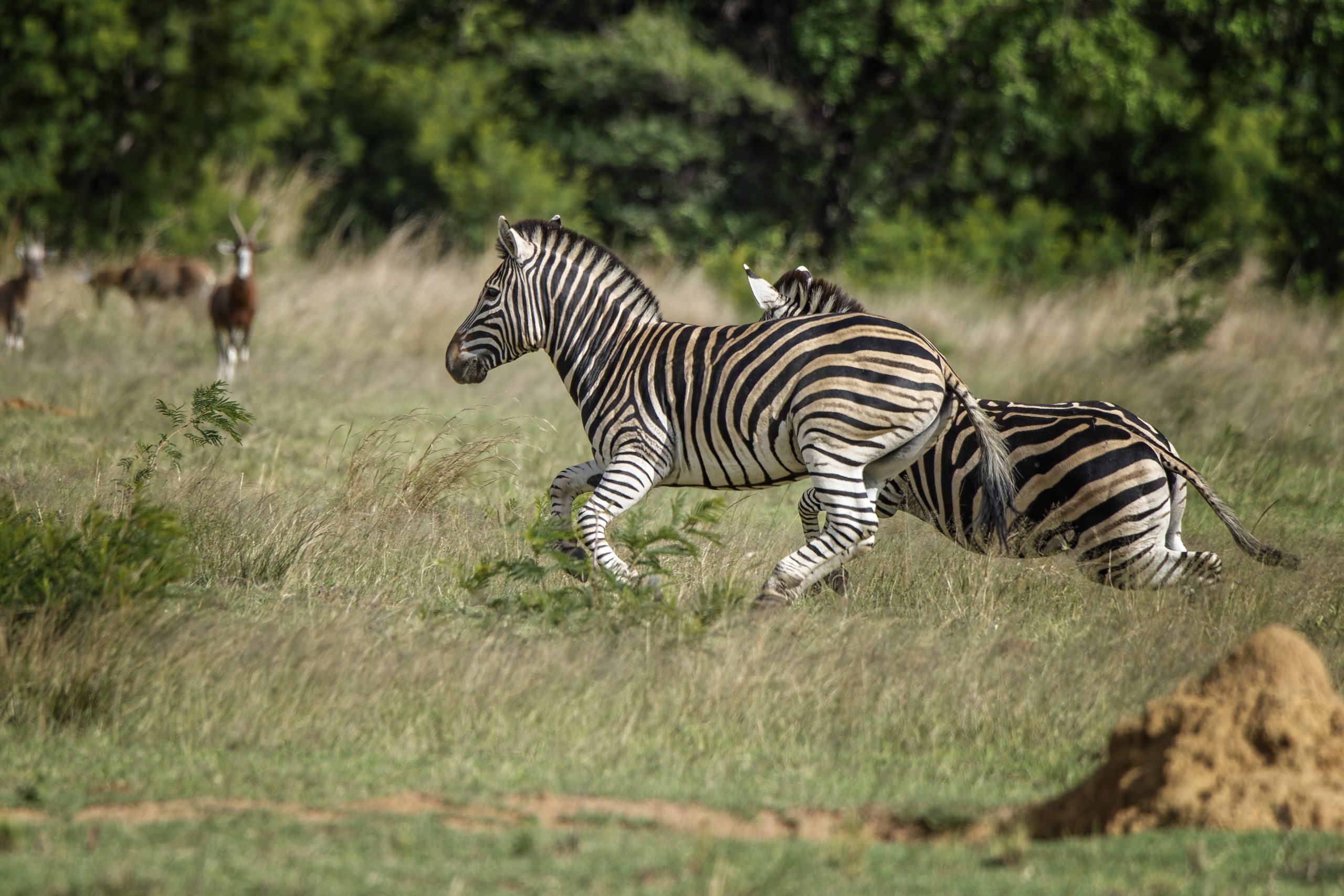
Game numbers generally agree well with recent counts from vehicle observations by owners. A drive count was performed, and known game groups were also counted. The numbers and presence of game spoor at the water and feeding troughs were also assessed. These counts confirmed the numbers of blesbok, blue wildebeest and giraffe, while it also provided a good indication of impala and kudu. Photos confirm the presence of Njala, rooihartbeest, oryx and eland.
Among the tracks at water points, a clear leopard track was identified, confirming the presence of a large adult leopard at Highland Wilderness. Tracks of smaller carnivores such as caracal and jackal were also observed. Based on these observations, the game counts below provide a good estimate of the current game numbers present on Highlands Wilderness.
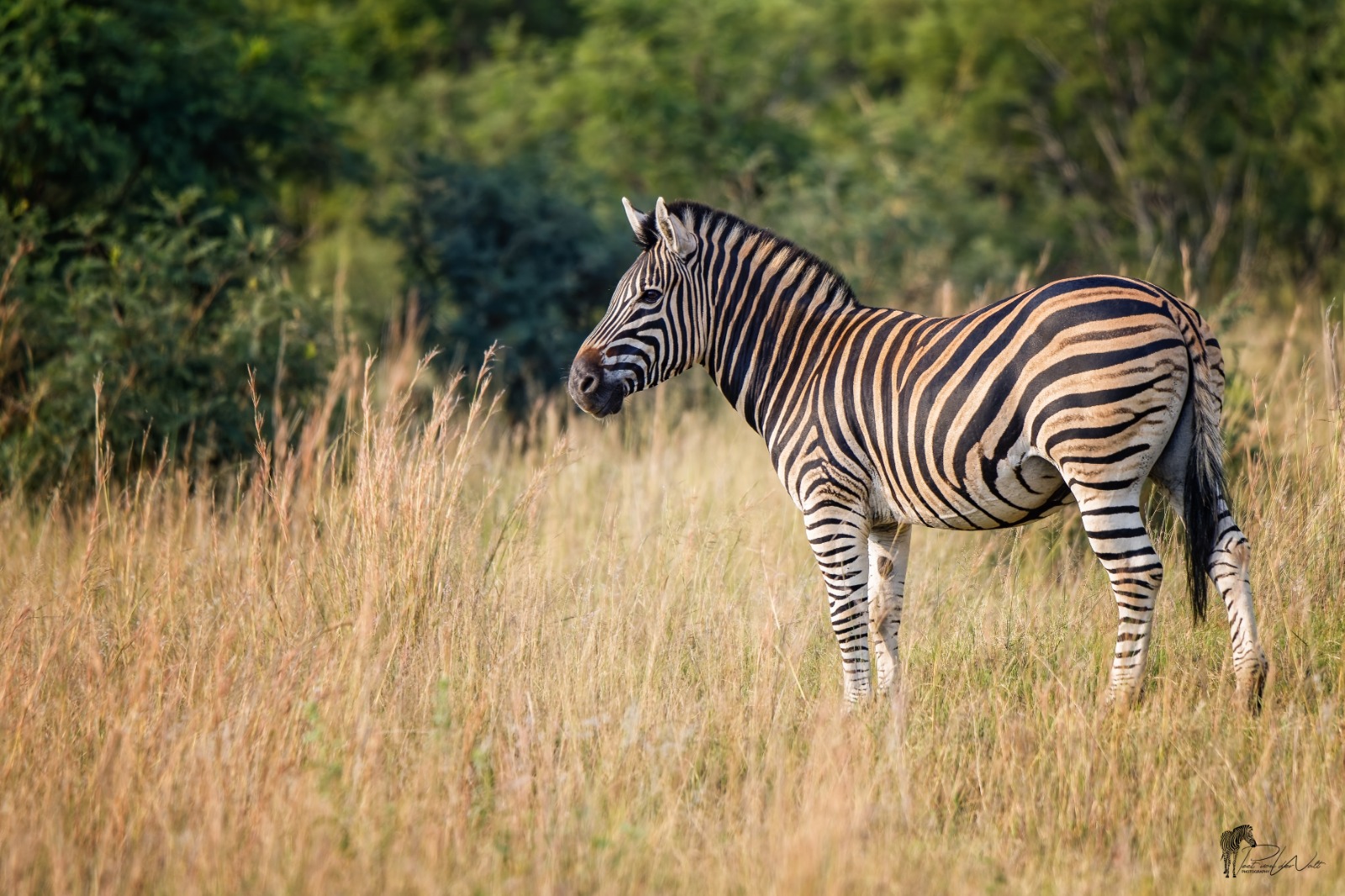
Veld Management
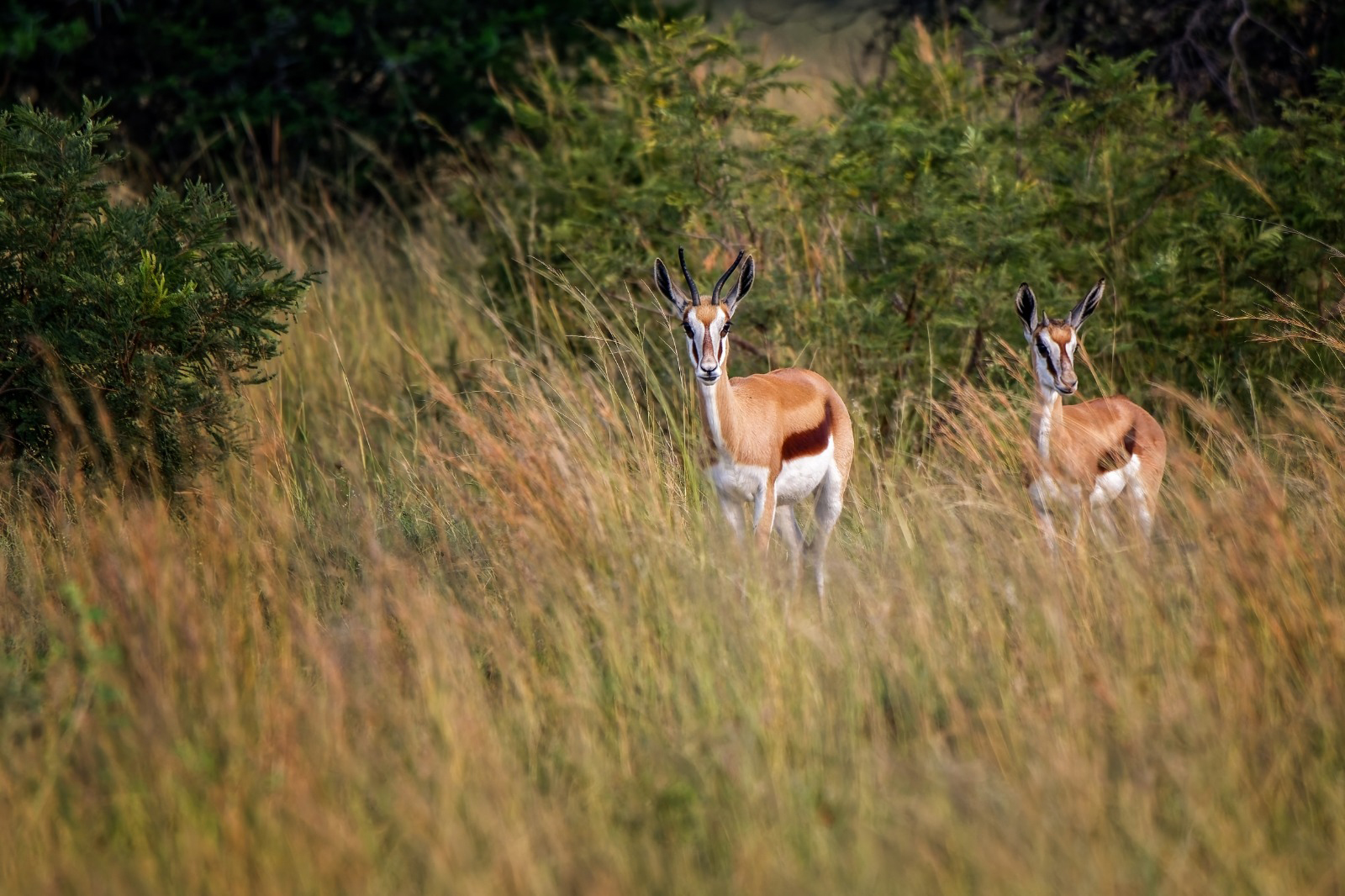
Disease Management
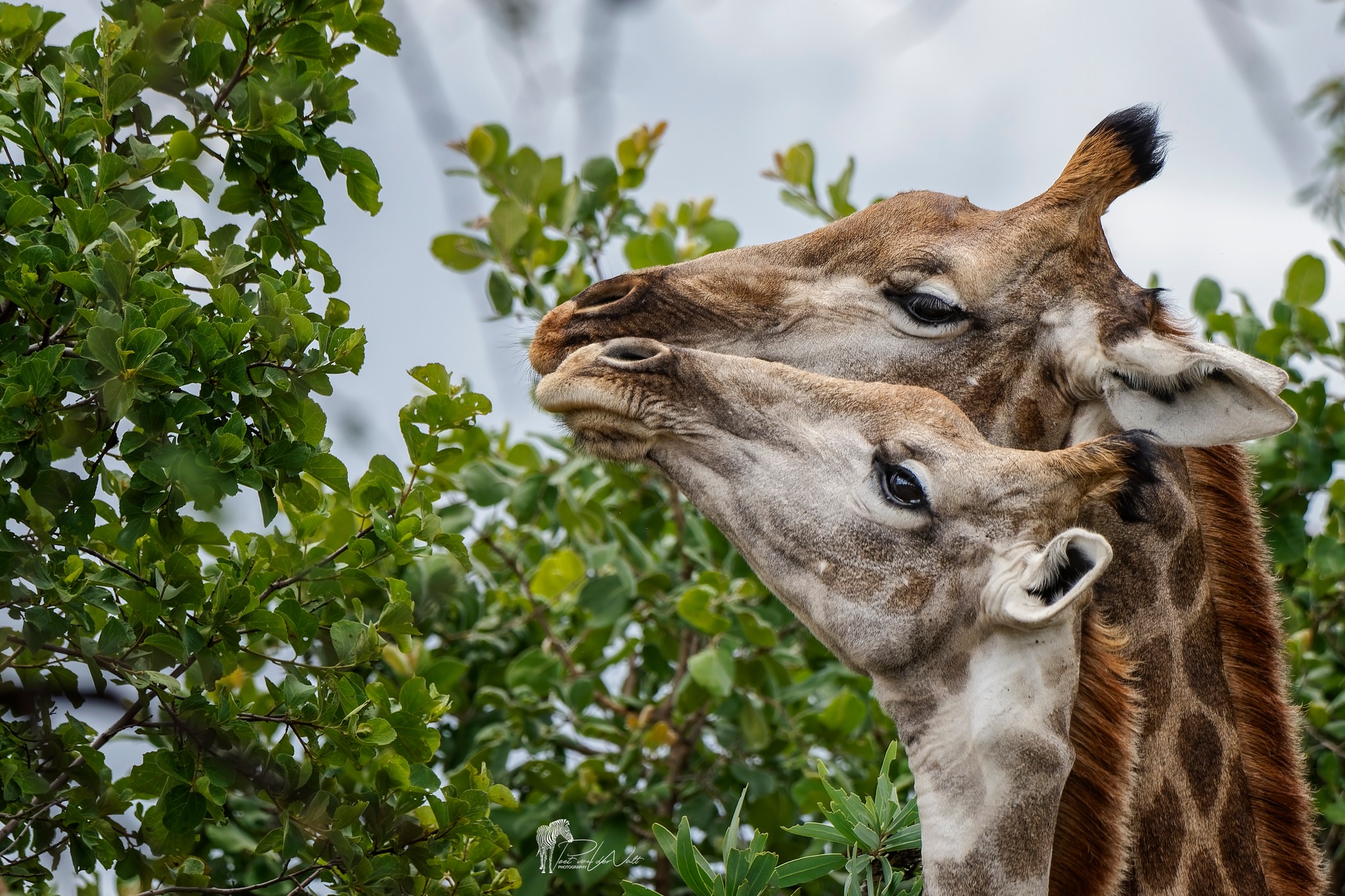
Adaptive Management & Monitoring

Plant Management
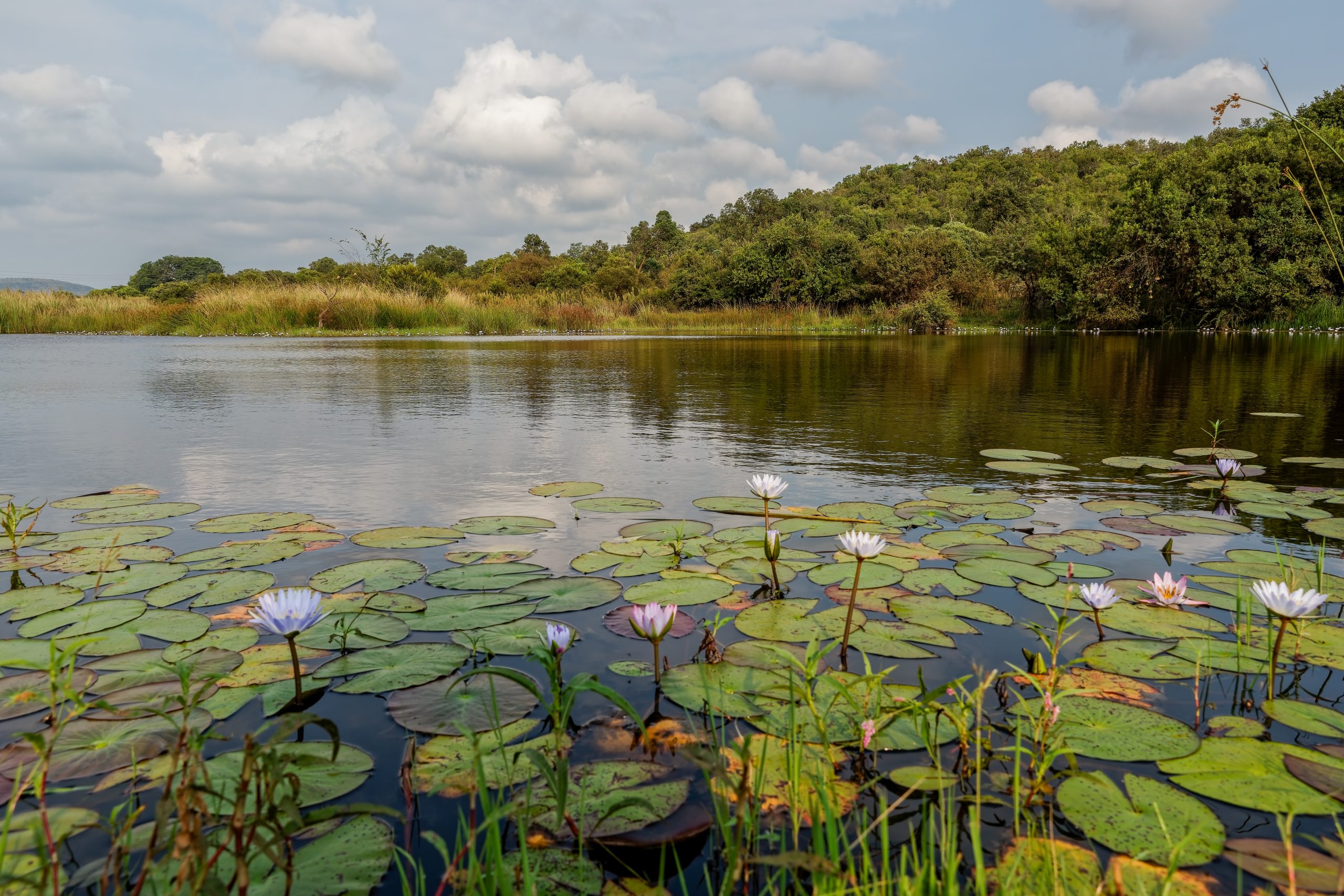
Water Management
Projects