
-
CONSERVATION
Disease Management
DISEASE MANAGEMENT
Effective disease control requires an ecological, systems-based approach that considers host susceptibility, pathogens, and transmission routes, rather than reliance on routine vaccination alone.
In Limpopo, the latest 2026 outbreaks of Foot-and-Mouth Disease (FMD) have centred on the Vhembe and Waterberg districts, where illegal livestock movements and broken veterinary "red line" fences have significantly exacerbated the spread. As of April 2026, the province has become a primary focus of the national mass vaccination campaign, with over 73000 cattle already vaccinated in a joint effort between the National Department of Agriculture and the Limpopo Department of Agriculture and Rural Development.
The interaction between wildlife and livestock remains the most critical challenge in Limpopo:
- Fallen Fences: In the Limpopo Valley and areas bordering the Kruger National Park, fences meant to separate wildlife from grazing lands have been damaged by elephants, allowing African buffalo - natural reservoirs of the SAT strains - to come into direct contact with cattle.
- Wildlife Reservoirs: While buffalo do not typically show clinical signs, they shed the virus for years, posing a permanent risk to nearby communal herds.
- Clinical Effects: Other wildlife species like impala and kudu in the region can suffer from severe mouth and hoof lesions, though large-scale mortality in wildlife is rare.
| Location | Status | Key Measures |
|---|---|---|
| Vhembe District | High Risk | Mass vaccination at communal dip tanks; repairs to red-line fences. |
| Waterberg District | Active Monitoring | Strict quarantine in Modimolle and Vaalwater following feedlot detections. |
| Makhado Municipality | Trace-back | Investigation of auction facilities in Vivo linked to Alldays. |
Authorities have emphasised that strict biosecurity and movement controls remain the primary defence, as vaccines primarily reduce viral shedding rather than providing total immunity.
At Highlands Wilderness, we have recently implemented our own FMD controls by disinfecting vehicles entering our area. To date, we have not had any reported FMD cases or possible symptoms in any of our game. To understand the control measures at the main gate, one needs to understand what disease prevention is.

Disease prevention and management are critical components of wildlife ranch management, particularly as game species become more valuable and stocking densities rise. Effective disease control requires an ecological, systems-based approach that considers host susceptibility, pathogens, and transmission routes, rather than reliance on routine vaccination alone. Disease outbreaks often signal underlying ecological imbalance and must be managed with minimal environmental disturbance.
Key infectious diseases of concern include anthrax, tuberculosis, heartwater, African horse sickness, African swine fever, and foot-and-mouth disease. Several of these are controlled or zoonotic diseases, requiring strict adherence to veterinary regulations, rapid carcass disposal, movement control, and reporting to state authorities. In many cases, treatment of wildlife diseases is impractical, making prevention, surveillance, and biosecurity essential management tools.
Parasite control presents an ongoing challenge due to increased wildlife translocation and wildlife–livestock interfaces. Both ecto- and endoparasites can reduce animal fitness and increase disease susceptibility when present at high burdens. Integrated control strategies—such as species selection suited to local conditions, strategic tick management, biological control, and limited use of anthelmintics—are recommended to reduce parasite loads while minimising resistance development.
Overall, proactive health management, informed species introductions, and effective disease monitoring are essential to maintaining ecological stability and long-term productivity on wildlife ranches.
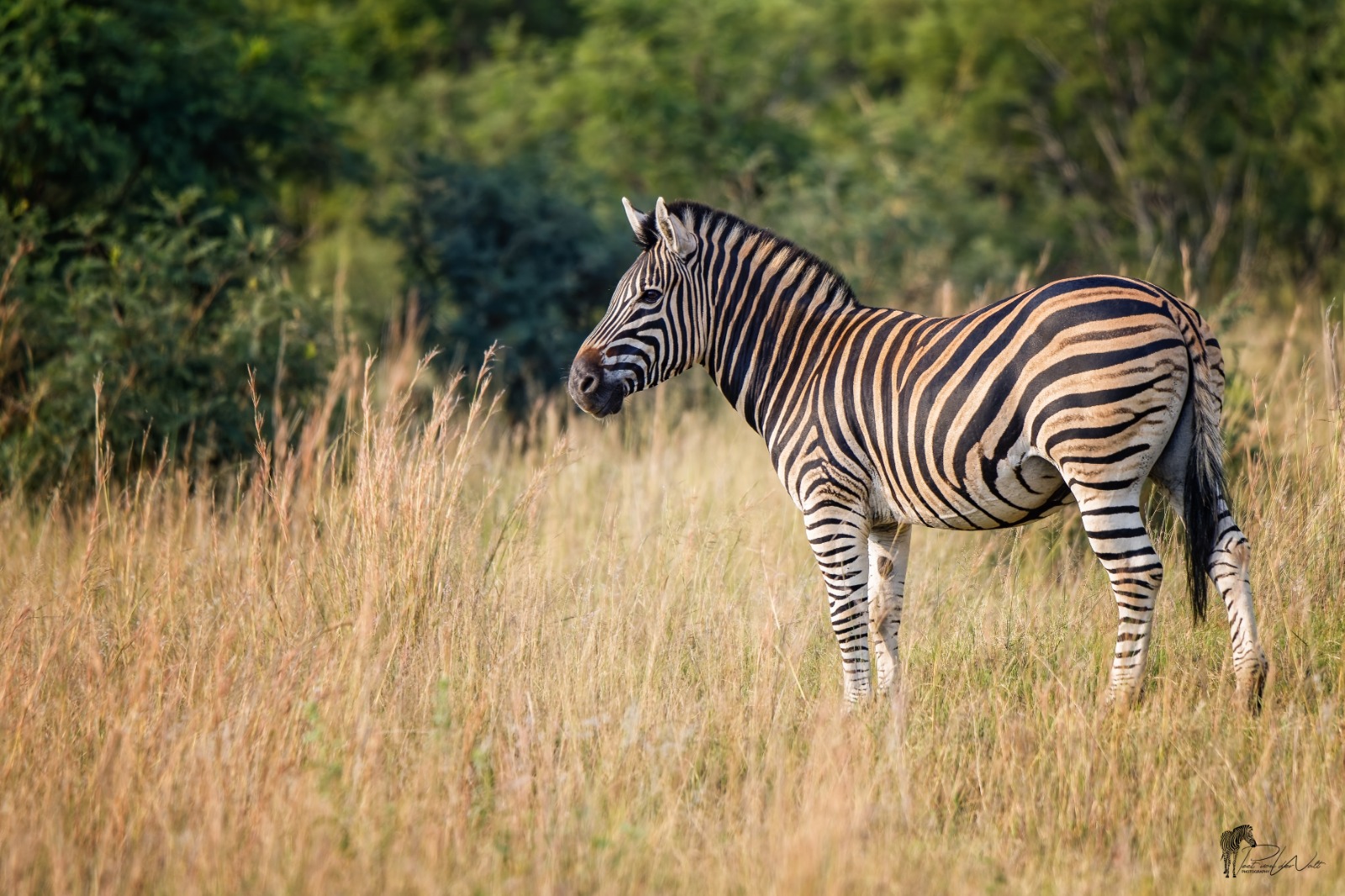
Veld Management
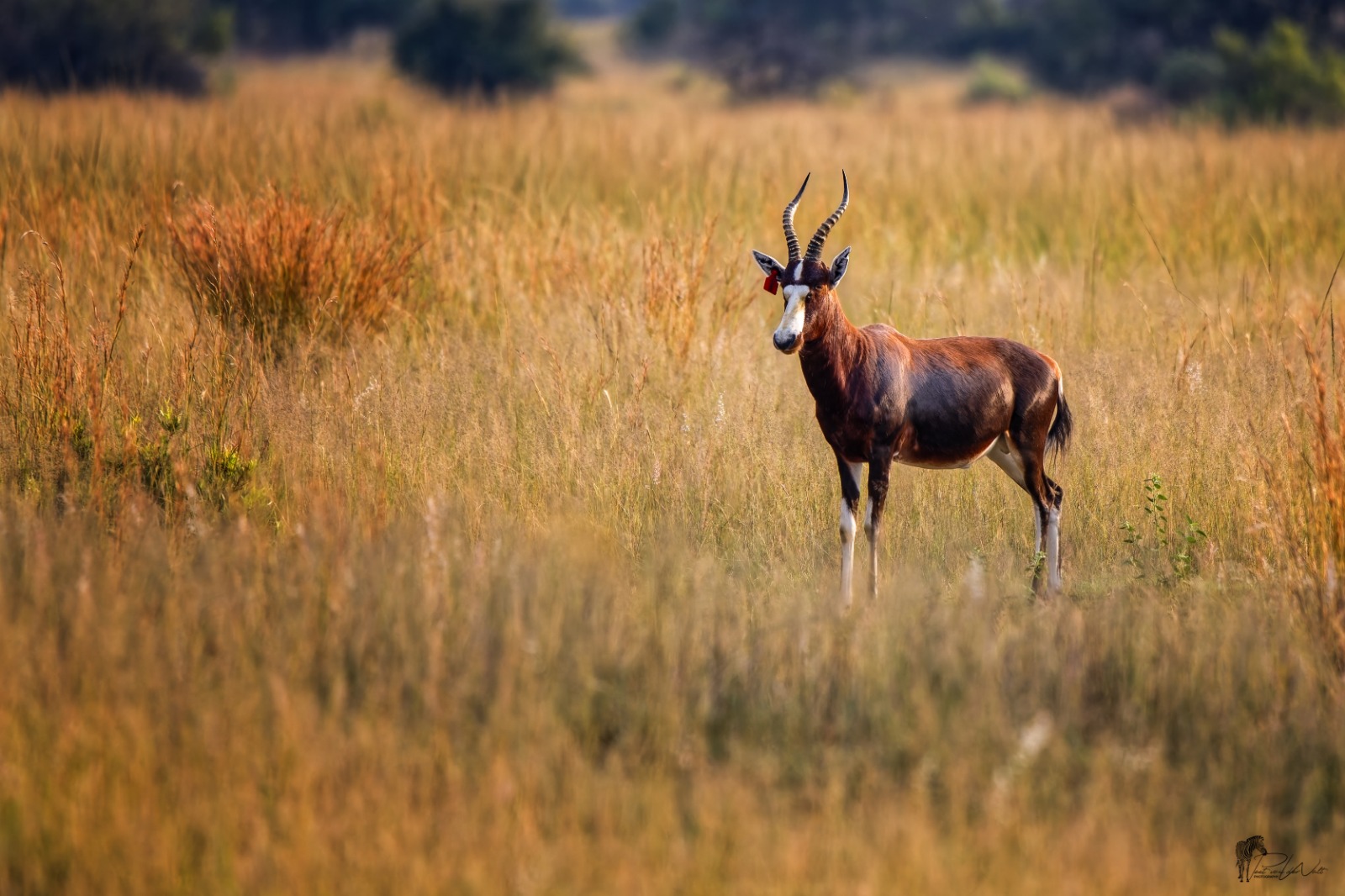
Game Management
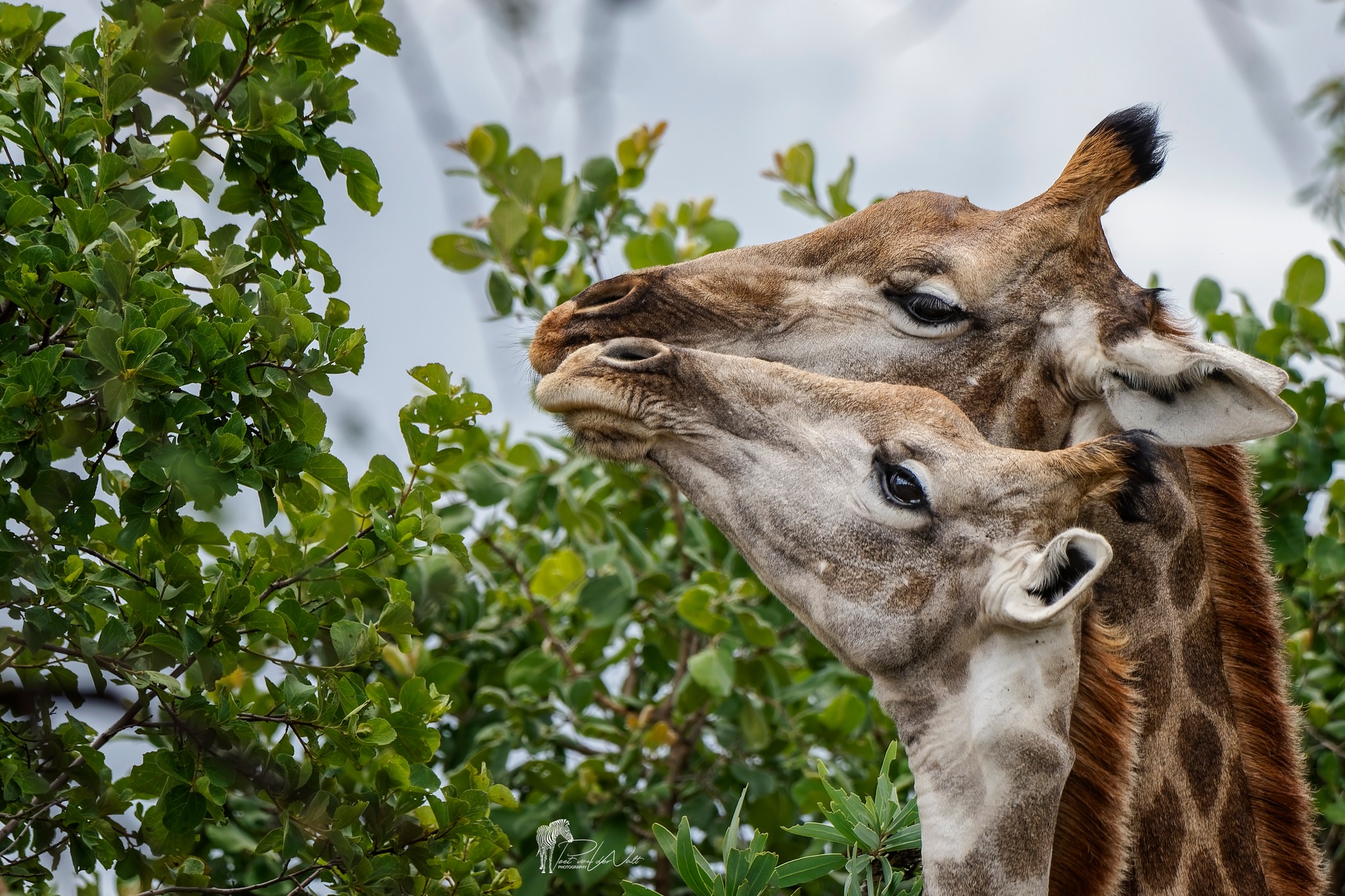
Adaptive Management & Monitoring
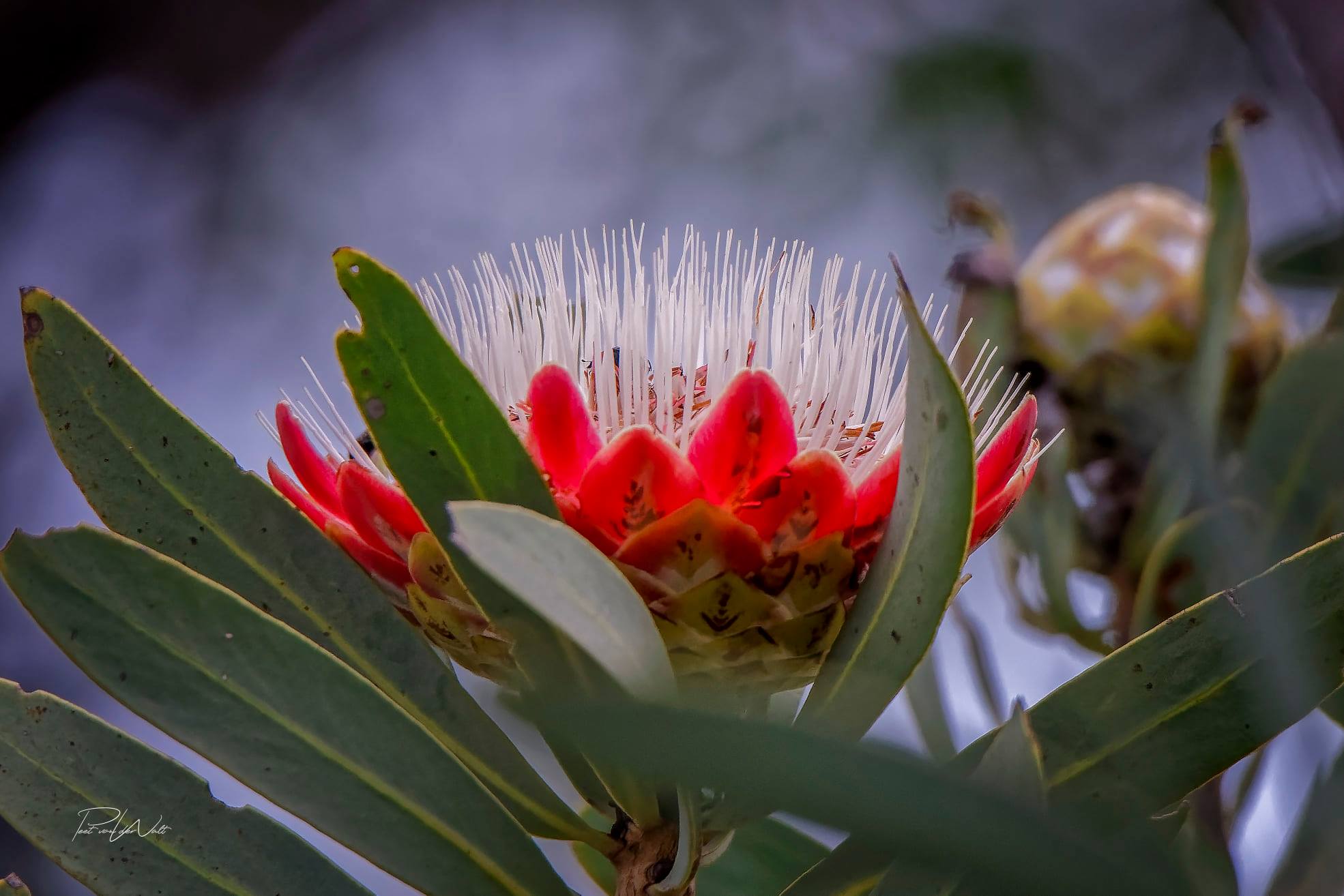
Plant Management
Water Management
Projects