
-
CONSERVATION
Adaptive Management & Monitoring
WHAT IS ADAPTIVE MANAGEMENT & MONITORING?
Scientific wildlife management applies ecological principles to achieve clearly defined objectives. Explicit goals are essential, as problems can only be identified as deviations from predetermined targets. Wildlife management is best described as conservation through wise use—utilising natural resources sustainably for human benefit while maintaining ecological processes, preserving genetic diversity, and supporting the sustainable use of associated renewable resources.
A core component of active adaptive management is continuous monitoring of sensitive environmental indicators to assess whether management actions are achieving their objectives. Ecological inventories should assess veld condition, game numbers, species diversity, environmental variables, and erosion. Social inventories should focus on human dimensions, including community needs and the skills required to manage the ranch effectively. Where skills are lacking, objectives should include training or recruitment; if neither is feasible, management goals should be aligned with existing capacity.
Wildlife management encompasses both animal and vegetation management. Problem-solving in wildlife systems is inherently complex due to the numerous interactions between plant communities, animal populations, and the abiotic environment. Two broad management strategies may be applied: passive management, which delays intervention until systems are well understood, and active adaptive management, which implements informed actions immediately and adjusts them as new information becomes available.

Baseline surveys are essential for establishing a monitoring programme and for evaluating progress toward objectives. These surveys may include assessments of veld condition and bush encroachment. Data from initial resource surveys should be used to identify and mark fixed monitoring sites to ensure consistency in long-term assessments. Regular monitoring of vegetation and animal populations is critical. Stocking decisions should consider species-specific habitat requirements, landowner preferences, and financial constraints, with conservative stocking rates applied to prevent veld degradation. Stocking rates should be adjusted based on monitoring results.
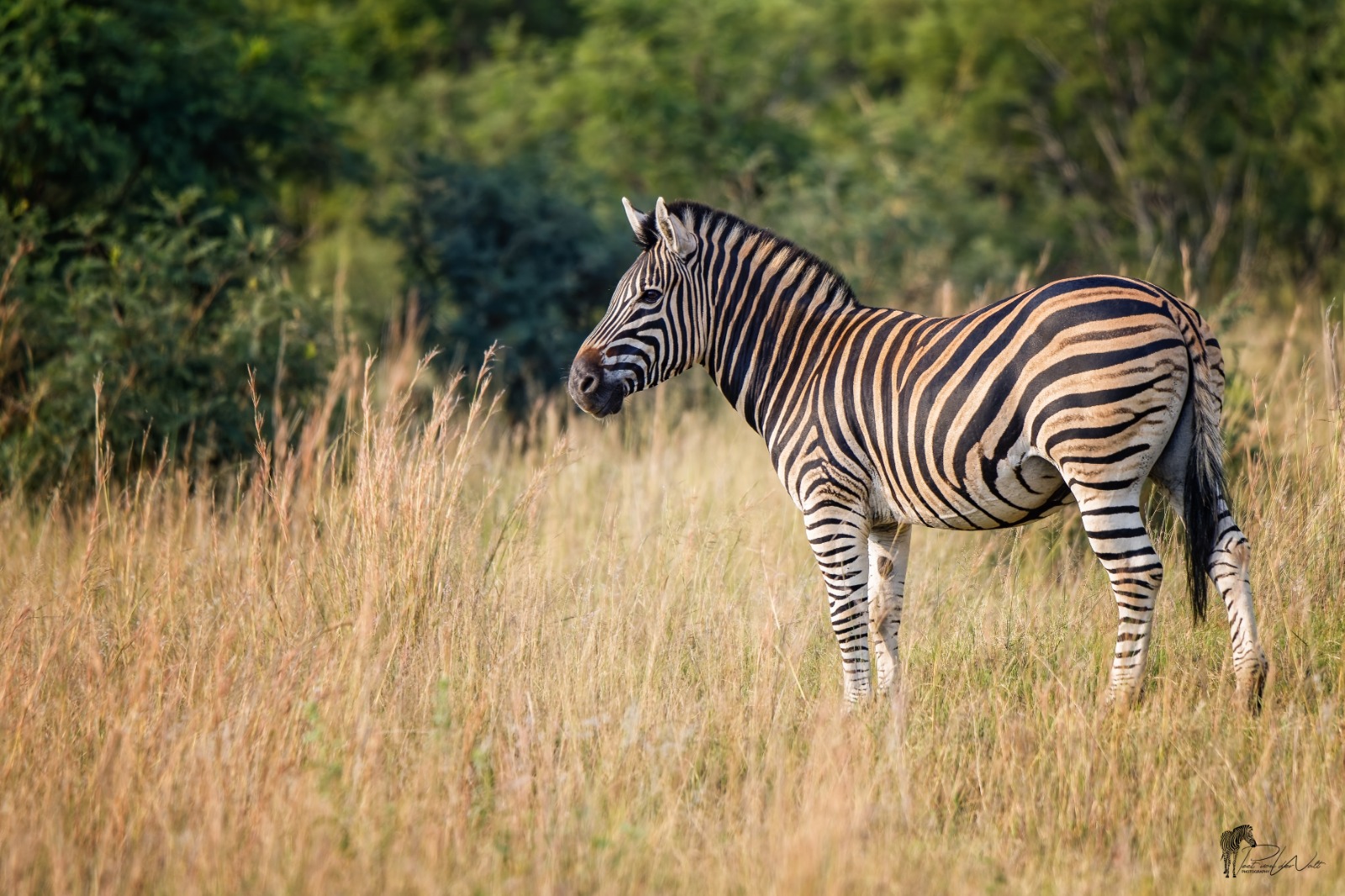
Veld Management
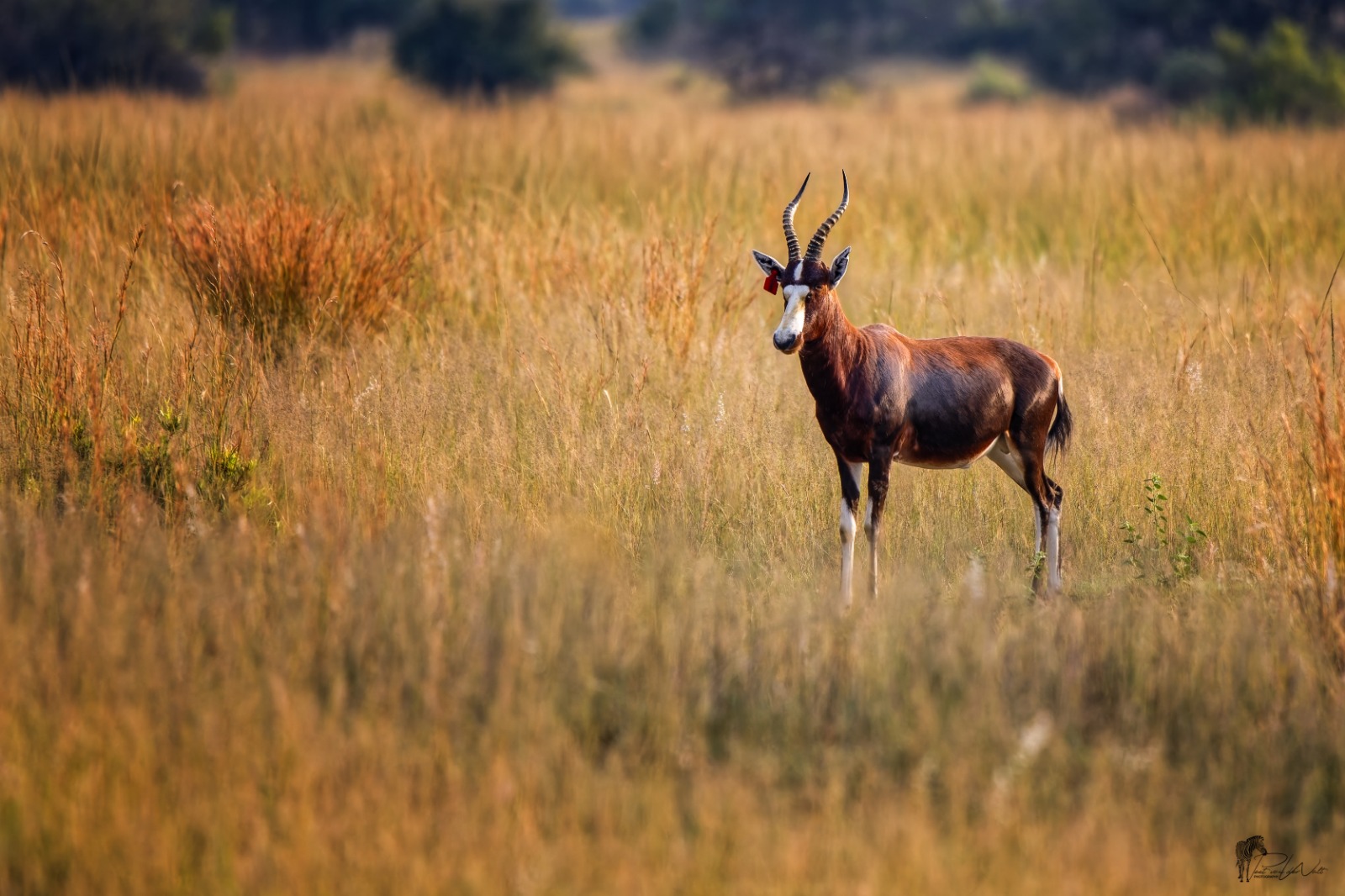
Game Management
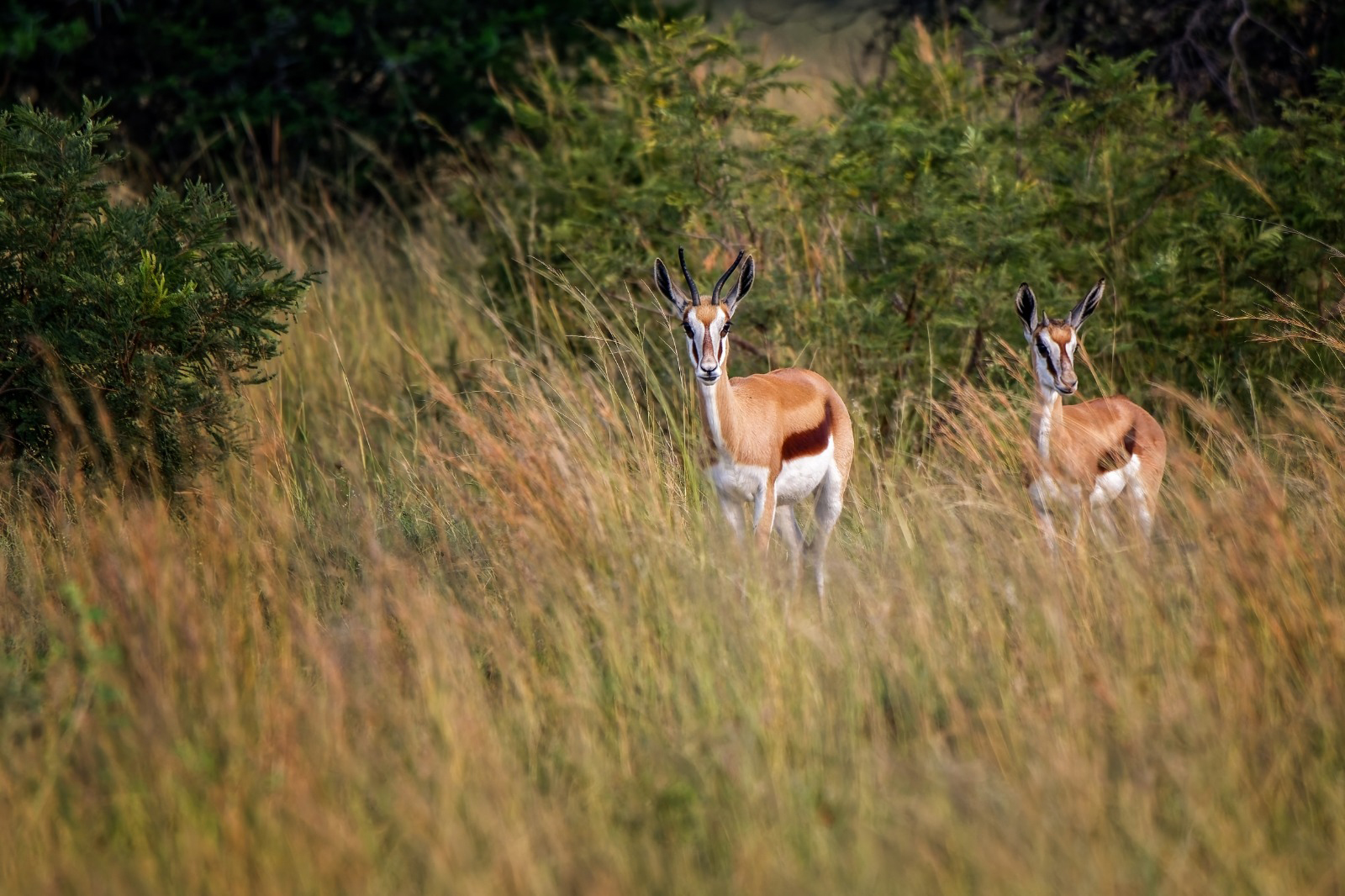
Disease Management

Plant Management
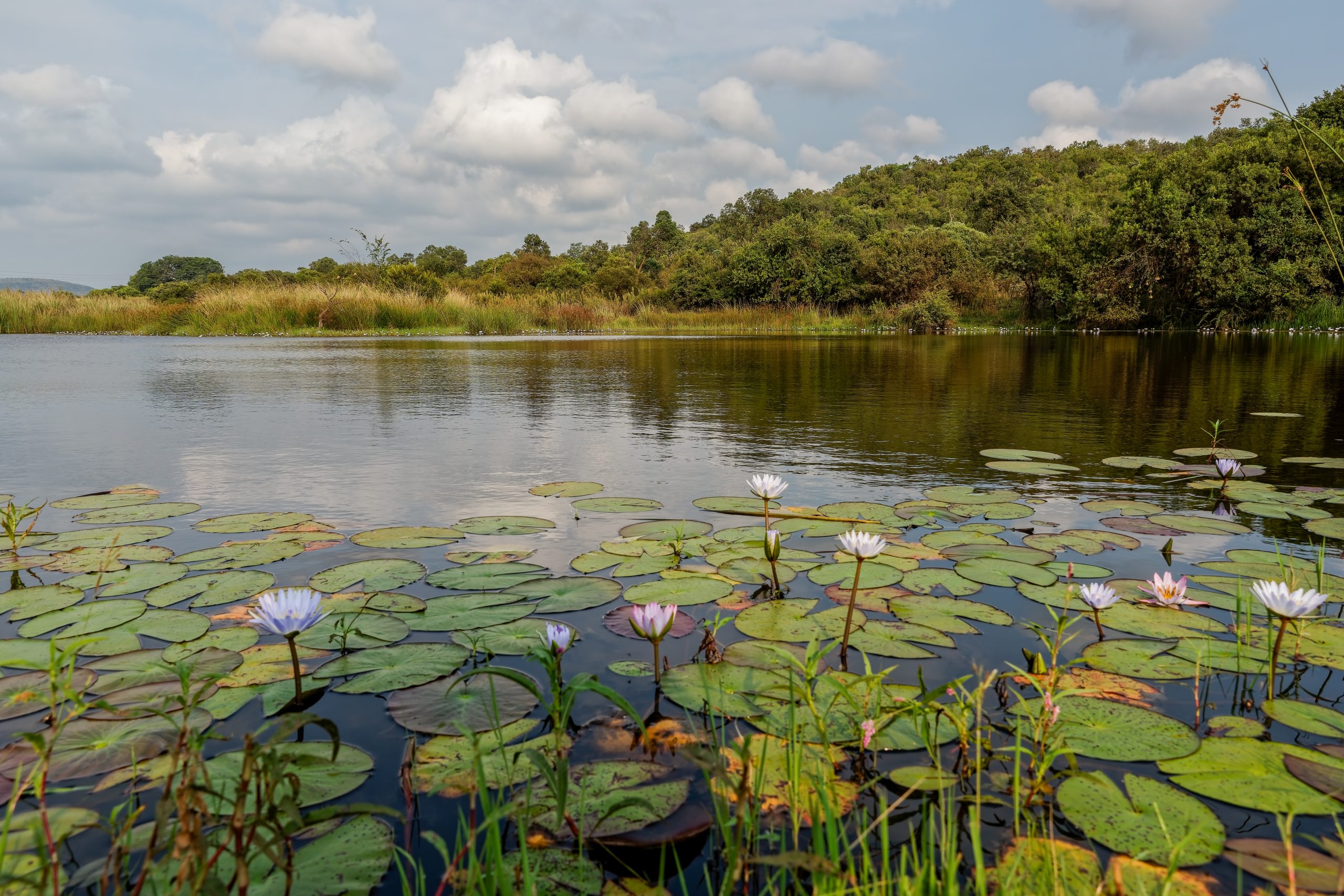
Water Management
Projects